
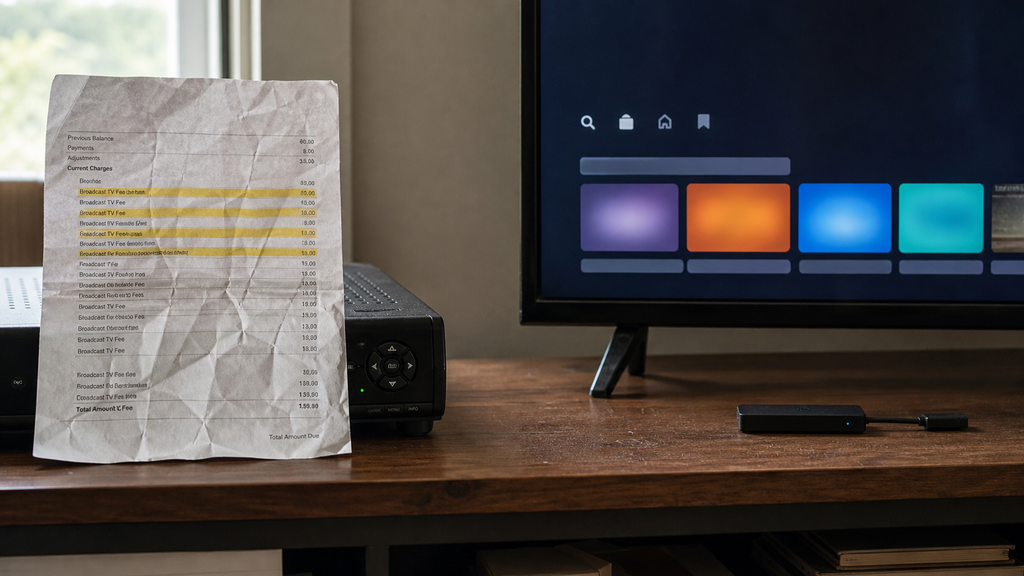
You are tired of the cable bill. It climbs every year, hides fees in tiny print, and charges you for channels you never watch. So you start searching for IPTV, and the prices are all over the place. One site says $10 a month, another says $90, and a third wants a big payment upfront.
This guide clears up the confusion. You will see the real IPTV cost USA households face in 2026, what changes the price, which extras add up, and how to save money without getting burned. Picture the before and after. Before: a $140 cable bill with a box rental, a sports fee, and a surprise tax line. After: a clear monthly price, the channels you actually watch, and no equipment fees hiding in the fine print.
The Short Answer
For most American households, a licensed IPTV or live TV streaming plan costs between $35 and $90 per month. Light plans start near $15 to $35, and premium bundles with sports and add ons can reach $100 to $130.
That is the real IPTV cost USA buyers should plan for when they want local channels, popular networks, and a cloud DVR from a provider that has the rights to the content.
Beware of rock bottom prices. A plan that promises thousands of channels for $10 a month or a lifetime deal for a small one time fee is usually too good to be true.
These figures are planning ranges, not quotes. Prices change often, so always confirm current rates on the official site before you subscribe.
What You Are Actually Paying For
Understanding IPTV cost USA starts with one idea: an IPTV subscription is not just a list of channels. The price covers the rights to the content, the servers that deliver it, and the apps that let you watch.
Networks and leagues charge providers for the right to carry their channels. Sports networks tend to cost the most, which is why plans with lots of sports cost more.
Streaming also takes real infrastructure. Servers, bandwidth, and support staff all cost money, and those costs show up in your monthly price.
That is why very cheap IPTV cost USA offers raise questions. If a provider charges far less than the cost of licensing, something is missing, and it is often legal rights, reliability, or both.
Typical Monthly Price Ranges in 2026
Prices depend on the type of plan. Here is how the market usually breaks down.
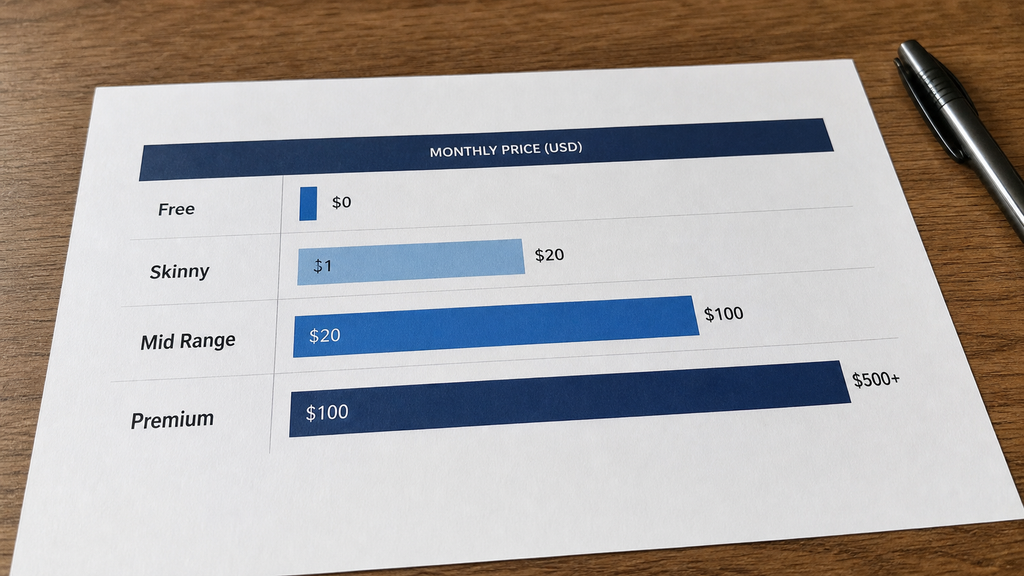
Free Ad Supported Services
Free services offer live style channels and on demand shows with ads. The cost is $0, though you may need to put up with commercials and a smaller channel list.
Skinny and Genre Bundles
Smaller bundles focus on specific tastes, such as entertainment and news. They usually run about $15 to $50 per month.
Mid Range Live TV Plans
These plans include dozens of live channels, local stations, and a cloud DVR. Most sit between $45 and $85 per month.
Premium Bundles
Premium bundles add more sports, premium movie channels, and extra screens. Expect $80 to $130 or more once everything is included.
Independent Providers
Independent providers sell packages directly and vary widely in price and quality. Always confirm that they are licensed and transparent before you pay.
To see how one provider presents its plans, you can review the pricing page and compare it with the ranges above. Always check content rights, support, and refund terms before paying for any service.
Knowing these tiers makes the IPTV cost USA market much easier to read.
What Pushes the Price Up or Down
Several factors change what you will pay. Knowing them helps you shop smarter.
Channel Lineup
More channels usually means a higher price. Sports and premium movie channels cost the most to license.
Local Channels
Local ABC, CBS, NBC, and FOX stations are a big part of the value. Availability varies by zip code, and some plans charge extra for certain markets.
Number of Screens
Plans often include two or three simultaneous streams. Extra screens may cost $5 to $15 per month.
DVR Storage
A basic cloud DVR may be included, while unlimited storage or longer retention can cost extra. Upgrades often run $10 to $20 per month.
Video Quality
HD is standard, and 4K may be included or sold as an add on. If you have a 4K TV and fast internet, it can be worth the upgrade.
Contract Length
Monthly plans give flexibility, while annual plans often come with a discount of 10 to 20 percent. Only prepay a year with a provider you trust.
Promotions and Intro Pricing
Many services offer a low price for the first few months and then raise it. Check how much the plan will cost after the promo ends.
When you add these factors together, the real IPTV cost USA households pay can be quite different from the sticker price.
Add Ons and Extras That Add Up
The base price is only part of the story. A few extras can turn a $60 plan into a $90 bill.
Premium movie channels often cost $10 to $20 each. Sports packages and out of market tiers can add $10 to $40 or more.
Regional sports fees and broadcast fees appear on some plans. They may be listed separately or buried in the taxes and fees line.
Taxes and local fees can add 5 to 15 percent depending on where you live. Always check the final checkout total before you commit.
Extra screens, 4K upgrades, and larger DVR storage can add another $10 to $30. These small upgrades add up quickly if you stack several.
Read the plan details carefully. A clear breakdown is a good sign, and a vague one is a warning.
Device and Setup Costs
IPTV runs on devices, so hardware is part of the budget. The good news is that it is usually cheaper than cable boxes.
A streaming stick from a major brand often costs $25 to $60. A more powerful streaming box can run $50 to $200.
Many smart TVs already include the apps you need. If your TV is a few years old, you may not need to buy anything.
An HD antenna for local channels costs about $20 to $60 one time. It can cut your plan cost by letting you skip a local channel tier.
A good router or mesh system may cost $60 to $250. It can solve buffering problems before they start.
Compare that to cable box rental fees, which can run $10 to $20 per box per month. Over a few years, streaming hardware usually pays for itself and lowers your IPTV cost USA over time.
Internet Costs: The Hidden Foundation
IPTV needs a solid internet connection. That cost belongs in your total budget.
Home internet plans often run $50 to $100 per month depending on speed and provider. A busy household may want 100 megabits per second or more.
As a rough guide, HD streams need about 5 to 10 megabits per second each, and 4K needs around 25 megabits per second. Multiply by the number of streams you will use at once.
If you already pay for internet, your IPTV cost USA total is just the subscription and a little hardware. If you are dropping cable and keeping the same internet, the savings can be real.
The Federal Trade Commission consumer advice site offers helpful tips on comparing service plans and spotting hidden fees, which is worth a read before you sign up for anything.
Why Cheap IPTV Deals Are Risky
You will see offers for $10 a month or a lifetime plan for a small payment. They are tempting, and they are the biggest trap in the market.
Real licenses cost real money. A provider that charges far below that cost is usually cutting corners, and one of those corners is often the legal right to the content.
These services can disappear overnight. When they do, your money disappears too, and you have no recourse.
Some also expose your devices and payment information to malware and fraud. Streaming copyrighted content without permission can create legal problems as well.
Be careful with services that only accept gift cards, crypto, or wire transfers. Paying by credit card gives you the ability to dispute charges.
The best deal is not the lowest price. It is the best value from a provider you can trust.
Real Cost Examples
Let us run three sample households. These are illustrative numbers only, not quotes.
Example one is a light viewer. A single person who watches news and a few entertainment channels might spend $25 to $45 per month on a skinny bundle plus free ad supported apps.
Adding a $30 streaming stick one time, the first year might total about $330 to $570 before internet.
Example two is a family of four. They want local channels, kids shows, a DVR, and three screens, which often lands around $70 to $95 per month.
Over a year, that is roughly $840 to $1,140, plus hardware and taxes. They may also add an HD antenna for about $40.
Example three is a sports fan. Someone who wants NFL, NBA, college football, and regional sports may spend $90 to $130 per month once add ons are included.
That is about $1,080 to $1,560 per year. It is higher, but it can still be cheaper than a traditional sports package on cable.
Now compare each to a typical cable bill of $110 to $150 per month, or about $1,320 to $1,800 per year. In many cases, the savings are real, but only if you pick a plan that matches your habits.
These examples show how the IPTV cost USA picture changes from one home to the next.
Cable vs IPTV: Total Cost Compared
Cable bills look simple, but the real total includes more than the base price. Box rentals, DVR fees, broadcast fees, and taxes add up.
A $90 cable package can easily become $130 after fees. Annual price increases push it higher each year.
IPTV and live TV streaming plans have extras too, but they are often more transparent. You can usually add or remove features month to month.
Flexibility is a major part of the value. No installer visits, no long contracts, and no equipment returns.
That said, IPTV cost USA totals can climb if you stack many services. Review your total every few months.
How to Save Money on IPTV
Good news. You have more control over your bill than you think.
Start by listing the channels you actually watch. Cancel anything you do not use, and choose a plan built around your list.
Use an antenna for local channels. A one time purchase can replace a monthly local channel fee in many areas.
Pair a skinny bundle with free ad supported apps. This combination covers a lot of viewing for a small monthly cost.
Rotate services. Subscribe when your favorite show or season is on, then pause when it ends.
Consider annual plans only from trusted, established providers. They can lower your monthly rate, but only if you are sure you will stay.
Bundle internet and streaming only when the total actually saves money. Compare the combined price with buying each separately.
Watch for price increases and promo expirations, because they change IPTV cost USA more than most people expect. Set a calendar reminder to review your bill every three to six months.
Used wisely, these habits can lower the IPTV cost USA households pay without hurting the viewing experience.
Free Trials, Refunds, and Cancellation
A good provider lets you try before you commit. Free trials and money back windows are signs of confidence.
Read the terms carefully. Some trials start charging automatically, so note the end date and set a reminder.
Check how cancellation works. You should be able to cancel online without calling a hotline or waiting on hold.
Ask about refunds if the service does not work. A clear policy protects you if something goes wrong.
If a provider hides these details, treat it as a red flag.
Price Trends to Watch in 2026
Streaming prices tend to rise over time. Rights costs go up, and providers pass those increases along.
Many services raise prices once or twice a year. They may also reduce channel lineups or move channels into add on tiers.
On the other hand, more free ad supported options keep appearing. They can lower your total bill if you mix and match.
Competition among providers also leads to promotions, bundles, and new tiers. Staying flexible helps you catch deals.
The smartest approach is to review your plan regularly and switch when a better value appears, since IPTV cost USA keeps shifting.
Georgia and Regional Notes
Where you live affects local channels and some fees. Big metro areas often have more local options, and rural areas may have fewer.
If you are in the Atlanta region or north Georgia, check your zip code for local network availability. Some plans carry all four major local stations, and others may miss one.
Internet options also vary by area. Fiber, cable, and fixed wireless all offer different speeds and prices.
Check the details for your exact address before you decide.
Common Mistakes to Avoid
A few slip ups show up again and again. The biggest is shopping by price alone.
Another is ignoring taxes, fees, and add ons. The final bill can be much higher than the advertised price.
Paying a year upfront with an unknown provider is risky. Start monthly until you trust the service.
Forgetting about internet speed is a classic. Great content cannot fix a weak connection.
Skipping the local channel check can lead to disappointment. Verify your zip code before you subscribe.
Assuming every plan includes a DVR is another trap. Confirm storage limits and features.
Avoiding these mistakes keeps the IPTV cost USA you pay in line with what you actually get.
A Quick Budget Checklist
Use this before you subscribe. Write down the channels your household watches and mark the must haves.
Check local channel availability by zip code. Confirm sports coverage for your teams.
Test your internet speed and plan for simultaneous streams. List one time costs like a streaming stick and antenna.
Read the terms, pricing details, and cancellation policy. Look for a real business address and working support.
Pay by credit card for added protection. Set a reminder to review your plan in three to six months.
Tick those boxes and you will be well ahead of most shoppers.
What a Good Result Looks Like
Let us go back to that before and after. After a smart switch, your monthly bill is clear and lower than cable.
You know what each dollar buys. The channels you care about are there, the picture is steady, and nothing surprises you at the end of the month.
You also know where to go if something breaks. That is the real goal.
Final Thoughts
So, how much does it cost? For most households, a licensed plan runs about $35 to $90 per month, with light plans lower and premium sports bundles higher.
Remember that the IPTV cost USA buyers pay is more than a single number. It includes the plan, add ons, taxes, hardware, and your internet connection.
Start with your must have channels, compare total costs, and avoid deals that seem too good to be true. Those three moves beat any flashy discount.
If you are not sure where to begin, make a short list of two or three providers and run each through the checklist above. A calm, careful comparison beats a rushed decision every time.
Pick smart, pay fair, and enjoy the show.