
Your cable bill just went up again. The channel list is bloated, the box rental fee is a joke, and you still cannot find the game on a Sunday. So you start searching for something better and land in a maze of plans, promises, and prices that look too good to be true. Where do you even begin?
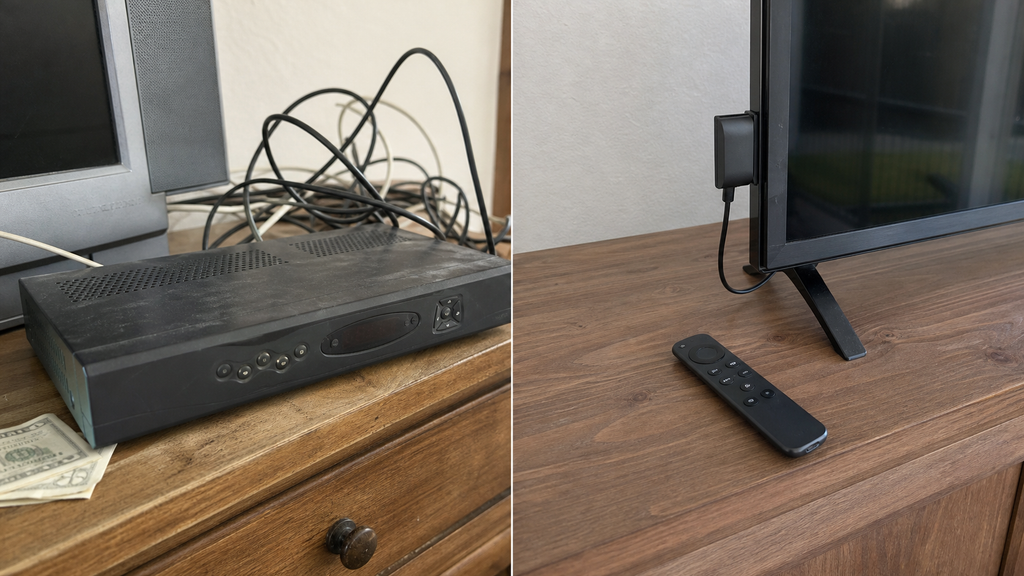
This guide gives you a clear path. You will learn how to spot the best IPTV subscription for your home, what features really matter, what it should cost, and which red flags to avoid. Picture the before and after. Before: a dusty cable box, a bill over $100, and a remote with 60 buttons you never touch. After: a clean streaming screen, the channels you actually watch, and a monthly bill you can explain in one sentence.
The Short Answer
The best IPTV subscription is one that is licensed, reliable, easy to use, and priced fairly for the channels you actually watch. For most American households, that means a plan between $35 and $90 per month with local channels, sports, and a cloud DVR. Do not chase the cheapest price. Rock bottom deals often come with buffering, missing channels, and sudden shutdowns.
Do chase transparency. A good provider shows clear pricing, real support, and clear terms before you pay a cent. Always check that the service has the rights to the content it sells. Unlicensed streams are risky for your wallet, your data, and your peace of mind.
What Is IPTV, Really?
IPTV stands for Internet Protocol Television. In plain English, it is TV delivered over your internet connection instead of through a coax cable or a satellite dish. That sounds technical, but the idea is simple. Live channels and on demand shows travel as data through your home WiFi or ethernet cable to a screen.
Many popular services you already know use this model. Live TV streaming apps, sports bundles, and smart TV channels are all forms of internet delivered television. So when people talk about the best IPTV subscription, they usually mean a package that bundles live channels, on demand content, and a DVR in one app.
Why More Americans Are Cutting the Cord
Cable and satellite prices keep climbing. Many households pay well over $100 per month once fees, taxes, and equipment are added. Streaming gives you more control. You can add or cancel services without a technician visit, and you can watch on a TV, phone, tablet, or laptop.
Flexibility is a big reason, too. No long contracts, no early termination fees, and no waiting for an installer between 8 and 5. The trade off is that you now manage your own setup. That is why choosing wisely matters so much.
Licensed vs Unlicensed: The Most Important Filter
Before you compare channel counts or prices, check one thing. Does the provider have the legal right to deliver the content? Licensed services pay networks, leagues, and studios for rights. That is why they cost more than a mystery plan that offers thousands of channels for a few dollars.
Unlicensed services are a gamble. They can vanish overnight, take your money with them, and in some cases expose your payment data or devices to malware. Streaming copyrighted content without permission can also create legal problems. For consumer safety tips on subscription scams, the Federal Trade Commission consumer advice site is a reliable place to start.
Make this your first test. Any plan that cannot explain its content rights clearly does not belong on your shortlist for the best IPTV subscription.
What to Look for in a Good Plan
Once a provider passes the licensing test, compare the features that shape daily life. Here is what matters most.
Channel Lineup and Local Channels
List the channels your household actually watches. News, sports, kids shows, and favorite networks matter more than a headline number like 200 channels. Local channels are a big one. Check that your ABC, CBS, NBC, and FOX affiliates are available by zip code, because coverage varies by area.
Sports Coverage
If you follow the NFL, NBA, MLB, or college football, check each league and regional network carefully. Some bundles include local sports channels, and others do not. Pay per view events, out of market packages, and blackout rules can change what you can watch. Read the fine print before the season starts.
Video Quality
Look for HD as a baseline and 4K for premium content. A good service adapts to your internet speed so the picture stays smooth. Also ask about frame rates for sports. Fast action looks much better at 60 frames per second.
DVR and On Demand
A cloud DVR lets you record shows and skip ads. Check how many hours you get, how long recordings stay, and whether you can fast forward through commercials. On demand libraries add flexibility when you miss a live show.
Device Support
The service should work on the devices you already own. Common options include Amazon Fire TV, Roku, Apple TV, Google TV, Android TV, Samsung and LG smart TVs, and mobile apps. Check how many screens can stream at once. A family of four often needs at least three simultaneous streams.
Reliability and Uptime
Buffering ruins movie night. Look for independent reviews and real user feedback, not just glossy marketing pages. A good provider also has backup servers and status pages. That shows they take uptime seriously.
Customer Support
You will need help sooner or later. Look for live chat, email support, a help center, and clear business contact details. Test them before you subscribe. Send a pre sales question and see how fast and how clearly they reply.
Pricing and Terms
Pricing should be simple and public. Watch out for hidden fees, forced bundles, and rates that jump after a promo period. A free trial or a money back window is a good sign. It shows confidence in the product.
When you weigh all these features together, you get a clear picture of the best IPTV subscription for your own household instead of a generic top ten list.
Types of Services You Can Choose From
The market is broader than most people think. Each type fits a different kind of viewer.
Live TV Streaming Services
These are the most common cable replacements. They bundle dozens of live channels, local stations, and a cloud DVR into one monthly price. Popular examples include YouTube TV, Hulu with Live TV, Sling TV, Fubo, DirecTV Stream, and Philo. Prices and channel lists change often, so confirm current details on each official site.
Skinny and Genre Bundles
Smaller bundles cost less and focus on specific tastes. A lightweight plan may cover entertainment and news but skip sports. If you only watch a few channels, this can be the smartest route.
Free Ad Supported Streaming
Free services such as Pluto TV, Tubi, and others offer live style channels and on demand content with ads. They will not replace premium sports or local news in every area, but they can trim your bill.
Independent IPTV Providers
Some independent providers sell packages directly to customers. Quality varies widely, so treat these with extra care and apply the licensing test first.
If you want to see how one provider lays out its plans, you can look at the pricing page and compare it with what you learned above. Always confirm content rights, support options, and refund terms before paying for any service.
What It Costs in 2026
Prices change often, so treat these as planning ranges, not quotes. Check each provider for current numbers. Skinny bundles usually run about $25 to $50 per month. Mid range live TV plans often sit between $45 and $85 per month.
Premium bundles with sports and add ons can reach $90 to $120 or more. Extra costs may include a cloud DVR upgrade, 4K, extra screens, and premium channels.
Taxes and regional fees may also apply. A $70 plan can easily become $80 once everything is added. That is why the best IPTV subscription is not always the one with the lowest sticker price. It is the one that gives you the most value for the channels you actually use.
Real Cost Examples
Let us run three sample households. These are illustrative numbers only. Example one is a light viewer. A single person who watches news and a few entertainment channels might spend $30 to $45 per month on a skinny bundle plus free ad supported apps.
Example two is a family of four. They want local channels, kids shows, a DVR, and three screens, which often lands around $70 to $95 per month. Example three is a sports fan. Someone who wants NFL, NBA, college football, and regional sports may spend $90 to $130 per month once add ons are included.
Compare each to a typical cable bill of $110 to $150 including equipment and fees. In many cases, the savings are real, but only if you pick a plan that fits your habits.
Internet Speed and Setup Basics
Your internet connection is the engine of any streaming plan. A weak connection means a weak experience. As a rough guide, HD streams often need about 5 to 10 megabits per second per stream. 4K streams often need around 25 megabits per second per stream.
If several people stream at once, add those numbers up. A busy home with three HD streams and a few phones may want 50 to 100 megabits per second or more. Use a wired ethernet connection for your main TV when possible. If you use WiFi, place your router in a central spot and consider a mesh system for big houses.
Update your router and streaming device regularly. Old hardware causes more buffering than most people expect.
Choosing a Device
The device matters almost as much as the service. A fast, current streaming box makes menus snappy and playback smooth. Amazon Fire TV and Roku are popular, affordable options. Apple TV and Google TV offer premium experiences for those who want faster performance and more storage.
Many smart TVs now include built in apps, which can be a good starting point. If the built in system feels slow, a separate streaming stick usually fixes it. Always download apps from official app stores. Side loading unknown apps can expose your device to malware and privacy risks.
How to Test Before You Commit
A smart trial can save you from regret. Treat the first week like a test drive, because that is how you separate the best IPTV subscription from an average one. Check your local channels, your favorite networks, and a live sports game during peak hours. Peak time is when weak services struggle most.
Test the DVR by recording a show and playing it back. Try the app on every device you plan to use. Contact support with a real question. Note how fast and how helpfully they answer.
If something feels off, cancel during the trial window. That is the best use of a money back policy.
Matching a Plan to Your Household
No two homes watch TV the same way. The right plan for a retired couple is not the right plan for a house full of teenagers.
Singles and Couples
Small households usually need fewer screens and fewer channels. A lean bundle plus a couple of free apps often covers news, entertainment, and a few favorite shows.
For this group, the best IPTV subscription is often the cheapest licensed plan that still carries local channels and a basic DVR.
Families With Kids
Families want kids channels, parental controls, and several simultaneous streams. A cloud DVR is also a lifesaver for cartoons and school night schedules.
Look for profiles, content filters, and PIN protection. These small features make a big difference at home.
Sports Fans
Sports fans care about league packages, regional networks, and picture quality. Blackout rules and out of market restrictions can change what you can watch, so check them early. If one team matters most, confirm exactly how that team is broadcast in your area. That one detail often decides which plan wins.
Apartment Dwellers and Renters
Renters often prefer flexible monthly plans. They can pause, move, and restart without a contract. Portability matters too. Check that the service works when you travel or move to a new zip code.
Rural Viewers
Rural homes often have slower internet, and that changes the game. Look for services with adjustable quality and a stable stream at lower speeds.
If your connection is limited, test during peak hours before you commit. That is where weak plans show their flaws.
Frequently Asked Questions
Is IPTV legal in the USA?
IPTV as a technology is legal, and many licensed services use it. What matters is whether the provider has the rights to the content it sells.
Can I use IPTV on my existing smart TV?
Yes, most licensed services offer apps for popular smart TVs and streaming devices. Check compatibility on the provider site before subscribing.
How many devices can I use at once?
It depends on the plan. Many services allow two to three simultaneous streams, and some offer more for an extra fee.
What is the safest way to pay?
A credit card is usually the safest choice, because you can dispute unauthorized charges. Avoid gift cards and wire transfers for any new provider.
How do I know I picked the right plan?
You know you have found the best IPTV subscription when the channels you care about work, the stream stays smooth at peak time, and support answers quickly. If the price also feels fair, you are in good shape.
Should I sign a long contract?
Start with a monthly plan until you trust the service. Longer plans can save money, but only after the provider proves itself.
These answers cover the basics. Keep them in mind as you narrow down the best IPTV subscription for your home.
Red Flags to Watch For
Some warning signs show up again and again. Learn them and you will dodge most bad deals. Prices that seem impossible are the biggest one. A lifetime plan for a tiny one time fee is almost never legitimate.
No clear business information is another. If you cannot find a company name, contact details, or terms of service, walk away. Payment methods that offer no protection are risky. Be careful with services that only accept gift cards, crypto, or wire transfers.
Pressure tactics are a bad sign. Countdown timers, fake scarcity, and demands to pay right now should make you pause. Promises of every channel, every sport, and every movie are suspicious. No licensed service has the rights to everything.
The Federal Trade Commission recommends paying by credit card when possible, because you can dispute charges. That is good advice for any online subscription.
Common Mistakes to Avoid
A few slip ups show up again and again. The first is choosing on price alone.
The second is ignoring local channels. A plan that lacks your local news and weather can be frustrating.
The third is skipping the internet check. Great content is useless over a slow connection.
The fourth is forgetting about add on costs. A low base price can grow fast with extras.
The fifth is paying for a full year upfront with an unknown provider. Start monthly until you trust the service.
Avoiding these mistakes makes the hunt for the best IPTV subscription far less stressful.
A Quick Buying Checklist
Use this before you subscribe. Write down the channels your household watches and mark the must haves.
Check local channel availability by zip code and confirm sports coverage for your teams. Test your internet speed and plan for simultaneous streams.
Confirm device support and DVR limits. Read the terms, pricing details, and cancellation policy.
Look for a real business address and working support channels. Pay by credit card for added protection.
Tick those boxes and you are well ahead of most shoppers.
Tips to Save Money
You have more control over your bill than you think. Start by reviewing your current setup and canceling anything you do not use.
Rotate services. Subscribe when your favorite show or season is on, then pause when it ends.
Pair a skinny bundle with free ad supported apps. This combo covers a lot of viewing for a small monthly cost.
Look at annual plans only from trusted, established providers. They can lower the monthly rate, but only if you are sure you will stay.
Review your bill every few months. Prices creep up, and promos expire without much notice.
These habits turn the best IPTV subscription into a good deal that stays good.
What a Good Result Looks Like
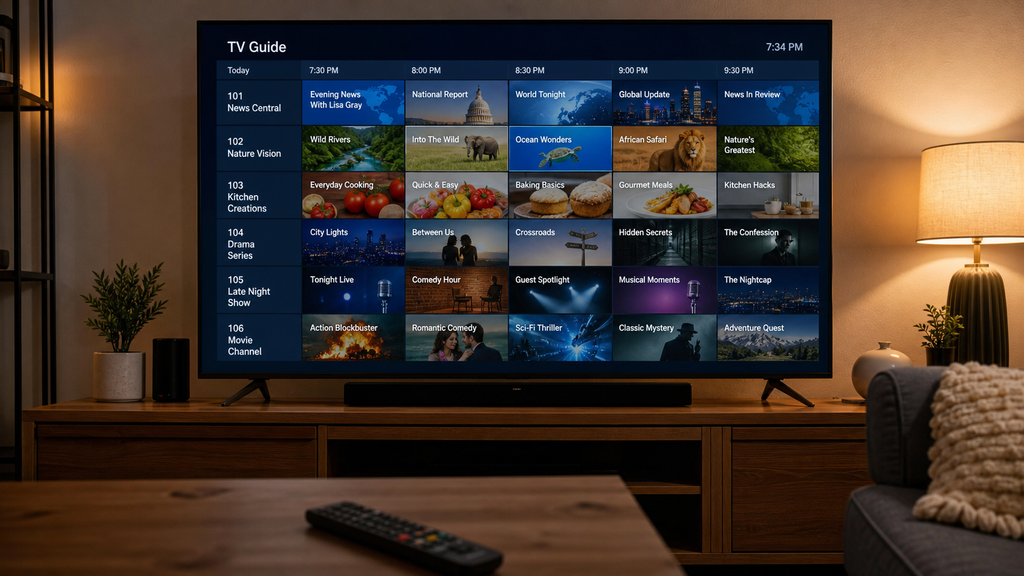
Let us go back to that before and after. After a smart switch, your TV boots in seconds and the guide shows the channels you actually watch.
The picture is sharp, the stream is steady, and your local station and game are right where they should be. The DVR holds your shows without drama.
Your bill is clear and lower than cable, with no surprise fees. And you know exactly who to call if something breaks.
That is the real goal. Entertainment that works, costs less, and does not make you think about it, which is exactly what the best IPTV subscription should deliver.
Final Thoughts
So, what is the best IPTV subscription for you? It is the one that is licensed, reliable, and matched to your channels, your devices, and your budget.
Remember that the best IPTV subscription is a moving target. Prices, channel lists, and rights deals change, so recheck your plan once or twice a year.
Start with your must have channels, test during peak hours, and keep your payment protected. Those three moves beat any flashy discount.
If you are not sure where to begin, make a short list of two or three providers and run each through the checklist above. A calm, step by step comparison beats a rushed decision every time.
Pick smart, stream easy, and enjoy the show.
MNL163 is alright. Nothing too special, but it’s a solid option if you’re looking for something new. Worth a look. mnl163